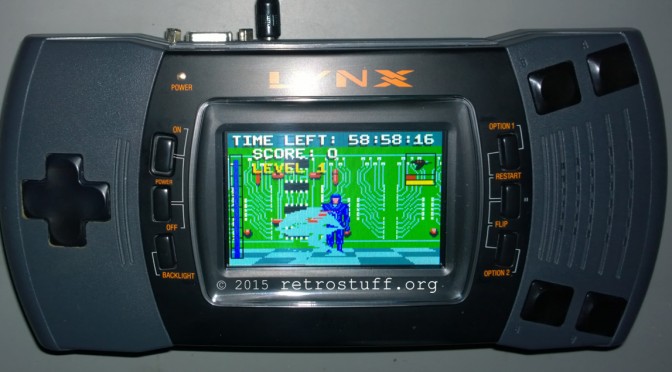
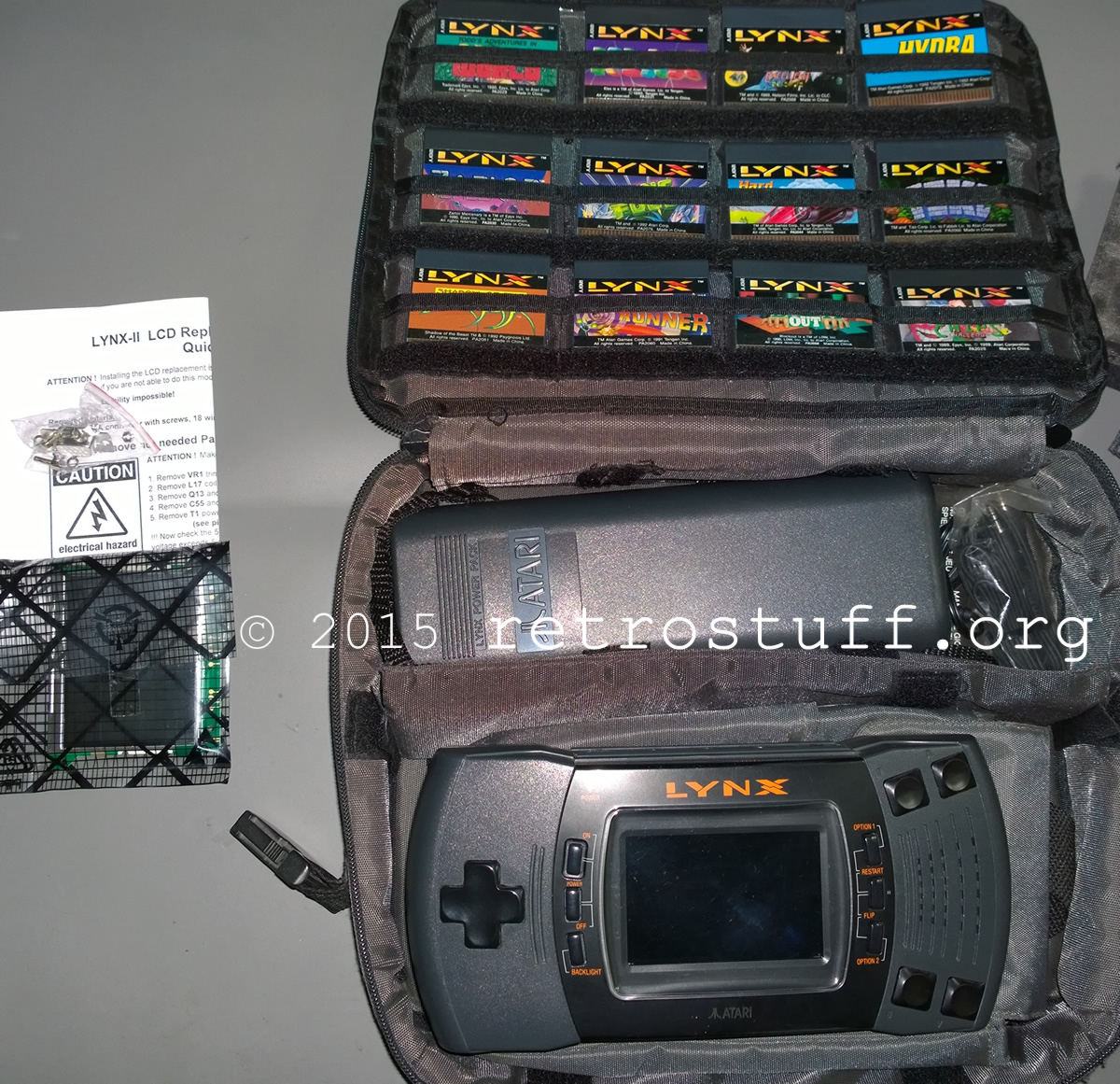
Replacing the aged Lynx screen with a new LCD screen is simple. All you need is an Atari Lynx II and the LCD screen kit by McWill (and optionally, a 5 V regulator).

Disassembly
Replacing the aged Lynx screen with a new LCD screen is simple. All you need is an Atari Lynx II and the LCD screen kit by McWill (and optionally, a 5 V regulator).
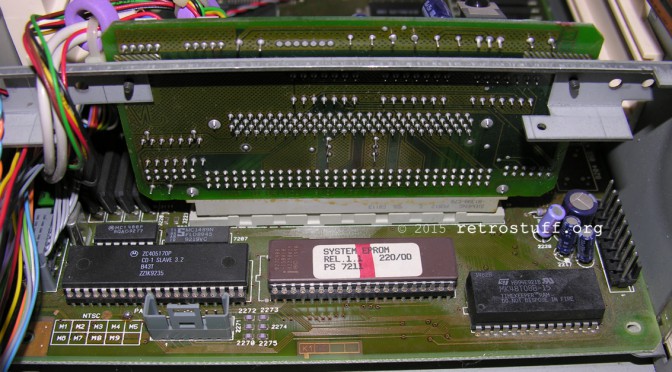
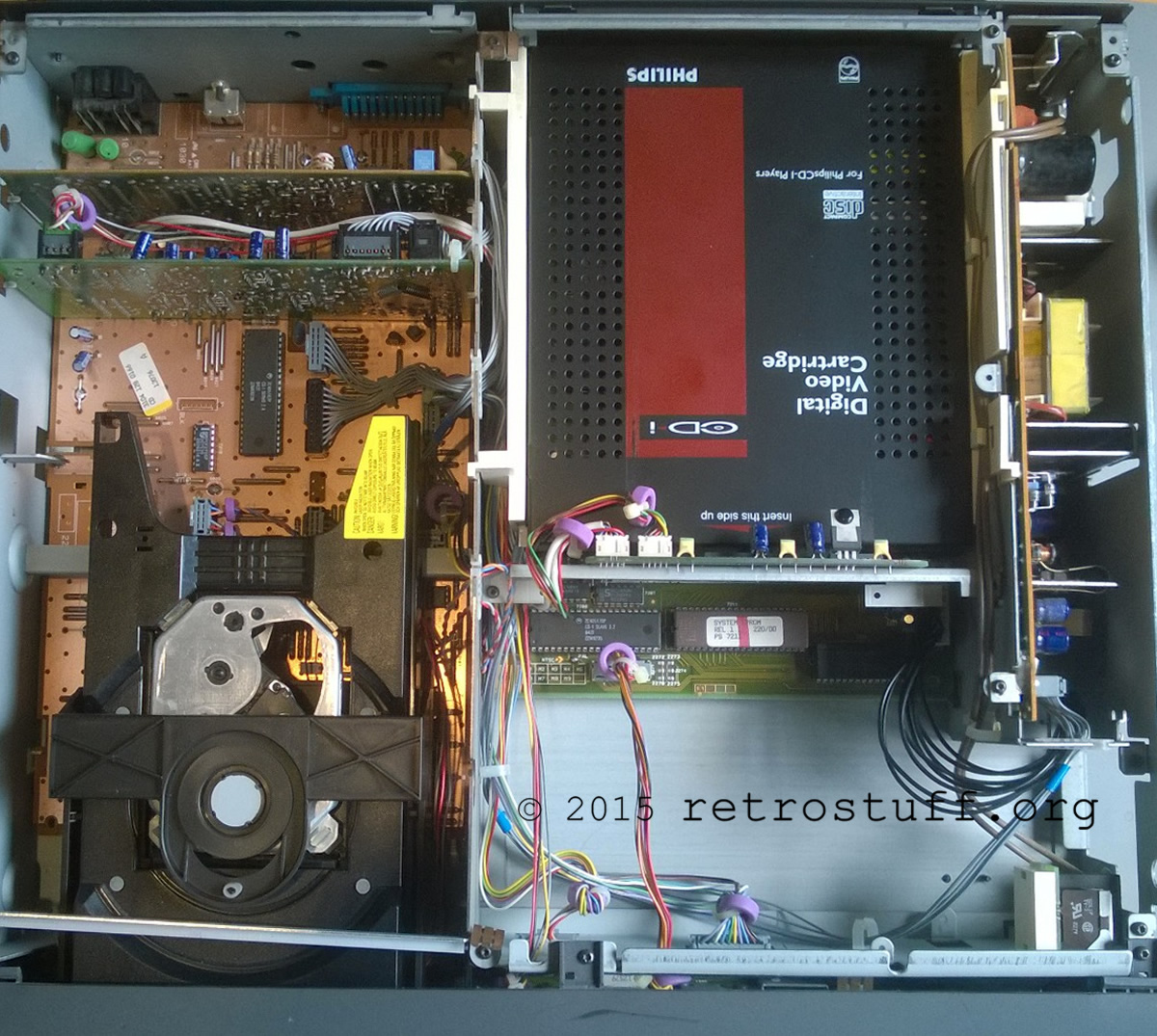
Recently I found a CDI 220/00 with Mini MMC mainboard. It’s a heavy and bulky unit that contains lot of PCBs, wires, screws and metal parts. It’s one of the first consumer CD-i players. Later models have all components on one single mainboard (Mono).
Continue reading Philips CDI 220/00 Mini MMC 60Hz Modification and Timekeeper Replacement
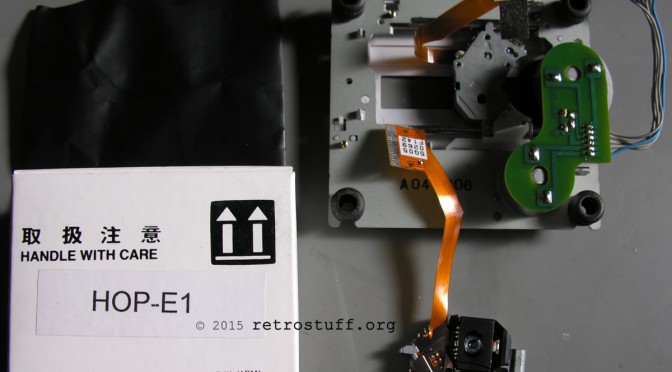
I’ve been struggling with a weak PC-FX laser for quite some time now. What kept me from replacing the laser pickup (also known as the optical block or laser sledge) was the supposedly significant effort involved. Taking apart and reassembling the PC-FX was long considered something you wouldn’t wish even on your worst enemy (a full teardown can be found here). However, it’s surprisingly easy to get to the drive unit if you simply follow these instructions.
Continue reading NEC PC-FX Laser Pickup HOP-E1While removing the throttle wheel from the stick, unit I noticed two small plastic rings connected by a spring jumping away. It took me quite some time to figure out the correct position when assembling the stick. In case you encounter this problem too, this is how the rings have to sit on the throttle wheel:

The next Saturn peripheral on my list is the Sega Mission Stick (Analog Mission Stick). This is the black US model MK-80104:

It has been used before but is still in a very good shape. Unfortunately, it smells rather strange. Better take it apart to give it a good cleaning.
Continue reading Sega Mission Stick / Analog Mission StickRecently, I found an interesting cleaning device: The CCP Microfiber Mop Ball Mocoro. The internet is full of videos of it either cleaning or entertaining cats.

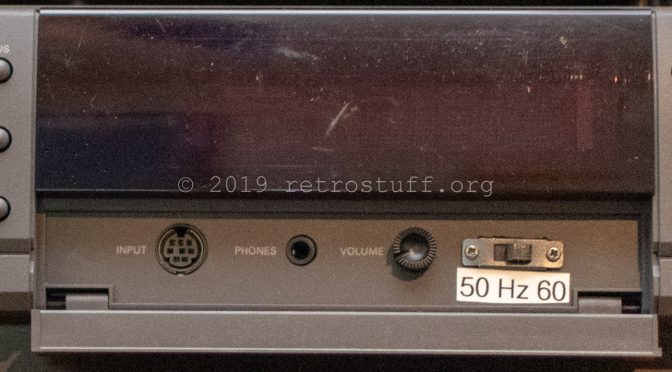
When looking for a modification to improve the video size/quality of DVC games on my PAL CD-i player, I’ve found that only two tutorials are covering that kind of modification (here / here and here). The modification enables a PAL player to display full screen video without the black bars on top and bottom. NTSC players benefit from this modification too, as there are PAL exclusive software titles that already have full screen video (e.g. De Zaak van Sam) – without the modification, parts of the screen are cut off.
Unfortunately, the mainboard of my CD-i 220 differs from those used in the tutorials, so I had to get a service manual to figure it out myself. The service manual I found is valid for the Philips CD-i players CDI 220/20 220/25 220/39 (PAL) and CDI 220/31 220/37 (NTSC). It says there is an unimplemented switch 1201 in square C6 of the mainboard:
Continue reading 60 Hz Modification Tutorial for Philips CD-i Player CDI 220/20
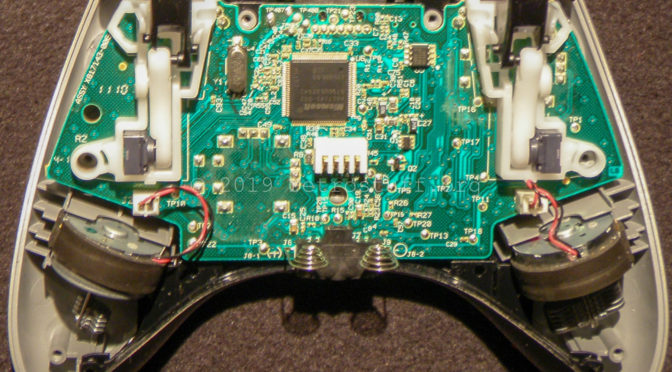
If you drop an Xbox 360 controller, don’t let it land on its bumper buttons. The micro-switches break easily on the inside. They might still work, but need more pressure to be triggered. This problem plagues old Sega Saturn gamepads too.
To open Xbox 360 controllers, you need a special Torx security screwdriver with a hole in the tip, size T8H. If you don’t have this rather unusual screwdriver, you can break the tiny pins in the screws and unscrew them with a regular T8 or T9 Torx screwdriver. Seven screws need to be removed (yellow circles). One of them is hidden behind the white sticker with the barcode and not behind the black sticker where I looked for it first (red circle).

The Bandai Datach Joint ROM System is an add-on for the Nintendo Famicom. It plugs right into the cartridge slot and comes with its own small cartridges. The games are enhanced with barcode cards, similar to the Mattel HyperScan.
The retail package with one included game, Dragon Ball Z: Gekitō Tenkaichi Budokai, is rather easy and cheap to obtain.

Additional games are very rare and even rarer and pricier when the corresponding barcode cards are included. I’ve seen some bootlegs of those games on regular Famicom carts but never tried them so far. Update: Pirate Dragon Ball Z Famicom Cartridge.
The Mattel HyperScan was a short-lived console in 2006. It had an interesting concept though, to enhance classic video games with collectible RFID cards. This concept was later picked up in a similar form by the Skylanders games and Nintendo’s Amiibo.
Playing the games (and scanning cards) can be described as more interesting than fun. The games seem unfinished and buggy. And then there are the long loading times, a problem that already the NeoGeo CD suffered from back in the days.
There were even some first steps with homebrew programs here and here.