Tag Archives: Roboco

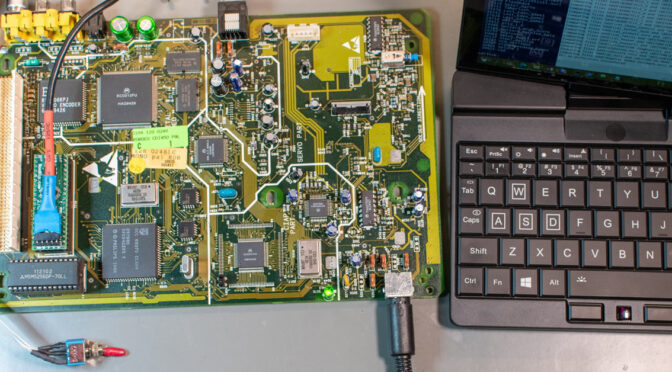
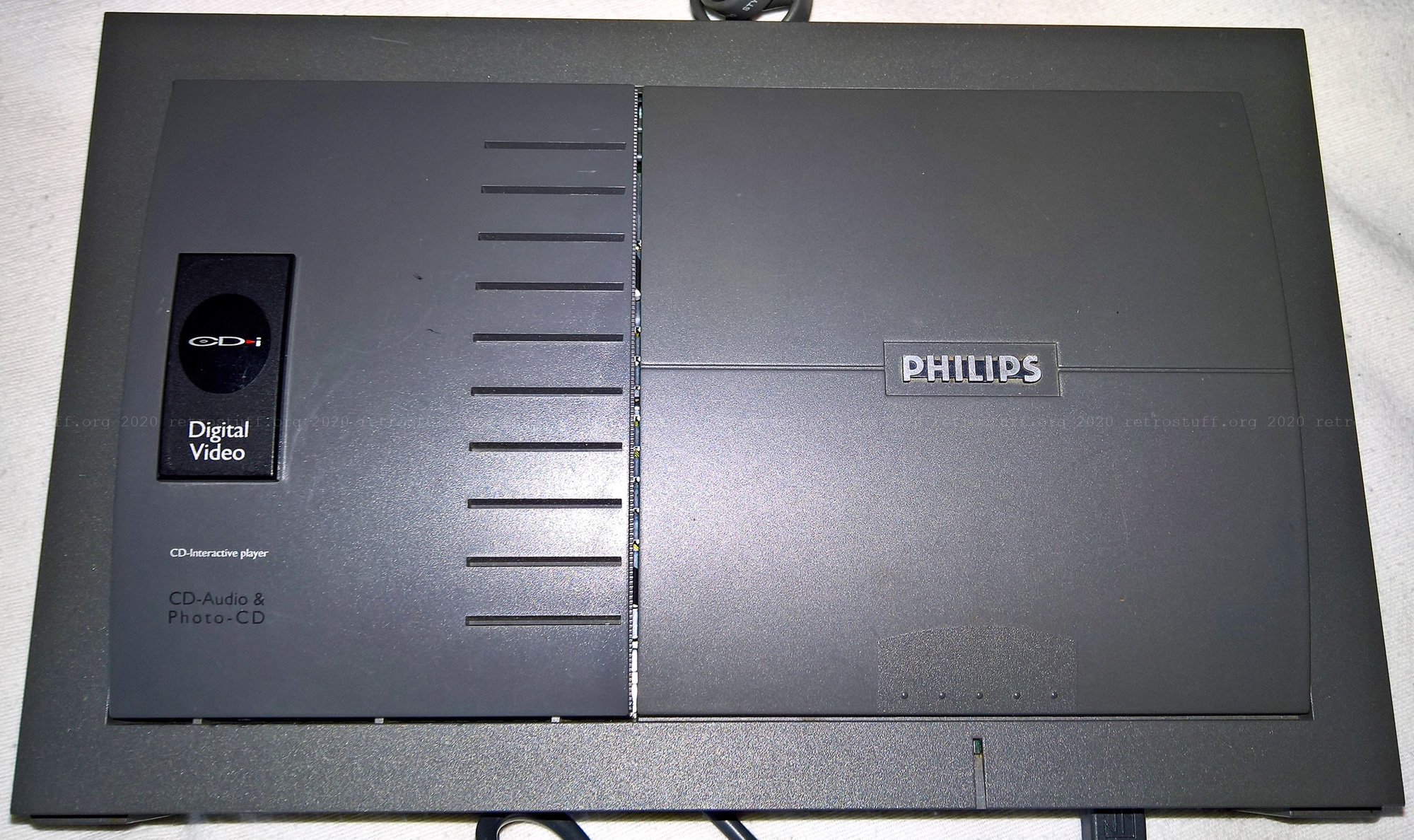
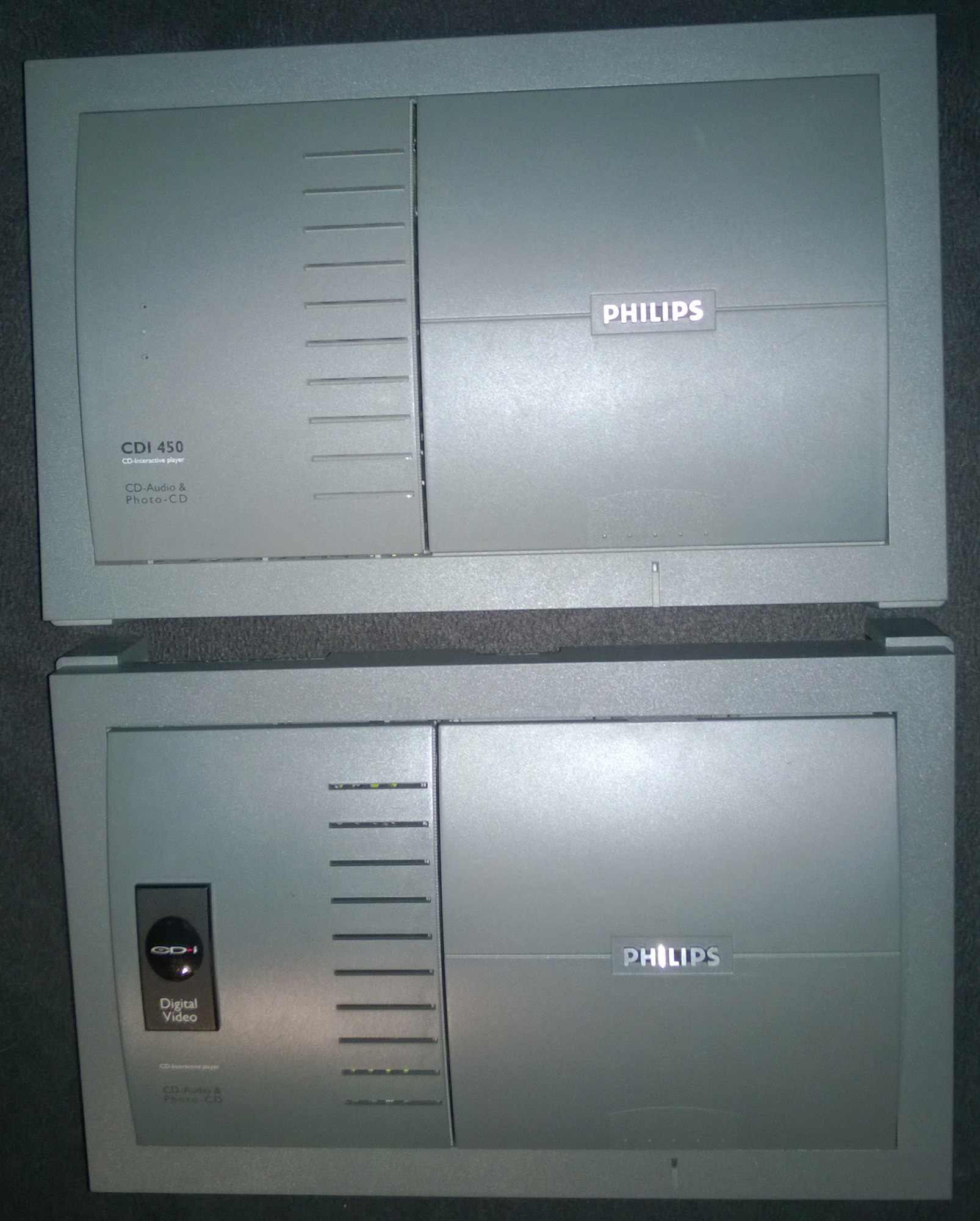
Philips Roboco Mainboard

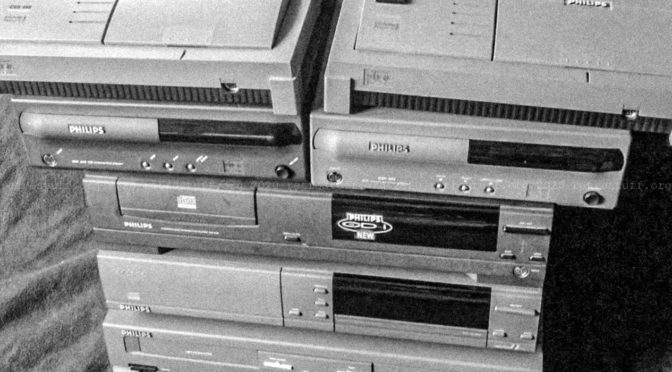
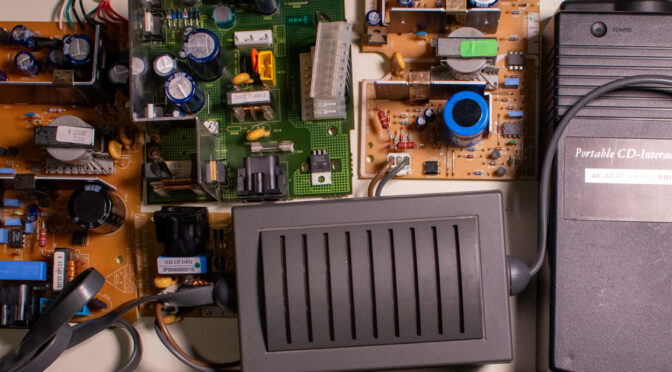
Philips CD-i Power Supply Units

The aim of this article is to compile a comprehensive documentation of all known power supply units for Philips CD-i players. It is a work in progress and will be updated with new information at regular intervals. I welcome feedback, especially if you discover an error or can contribute additional information.

Frequently asked questions concern the operational safety of a model in different countries and the location of fuses. To answer these questions accurately, you need to know the specific built-in or external power supply associated with the model, version and revision of the player. The grouping by mainboard/hardware generation provides a clear overview, as already shown in the article Modifications for Philips CD-i players.

The documentation of the fuses in the Mono III and IV generations began years ago with the article Philips CD-i Mono III / IV Fuses, and it was always the plan to summarise it in a more comprehensive article covering all generations.

This article now follows that approach and presents specifications, information on fuses, compatibility and possible modifications. It summarises all relevant data from the previously mentioned articles.

Continue reading Philips CD-i Power Supply Units
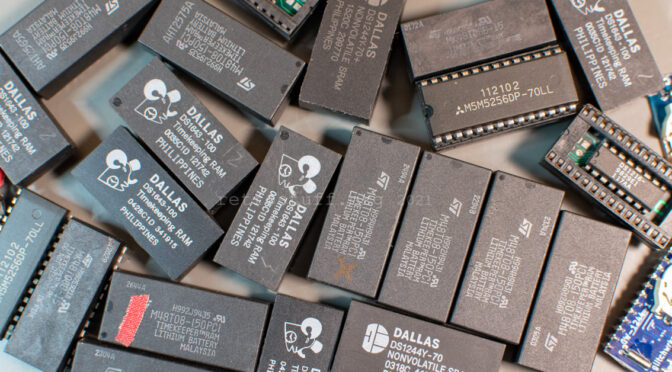
NVRAM+RTC Solutions for Philips CD-i Players

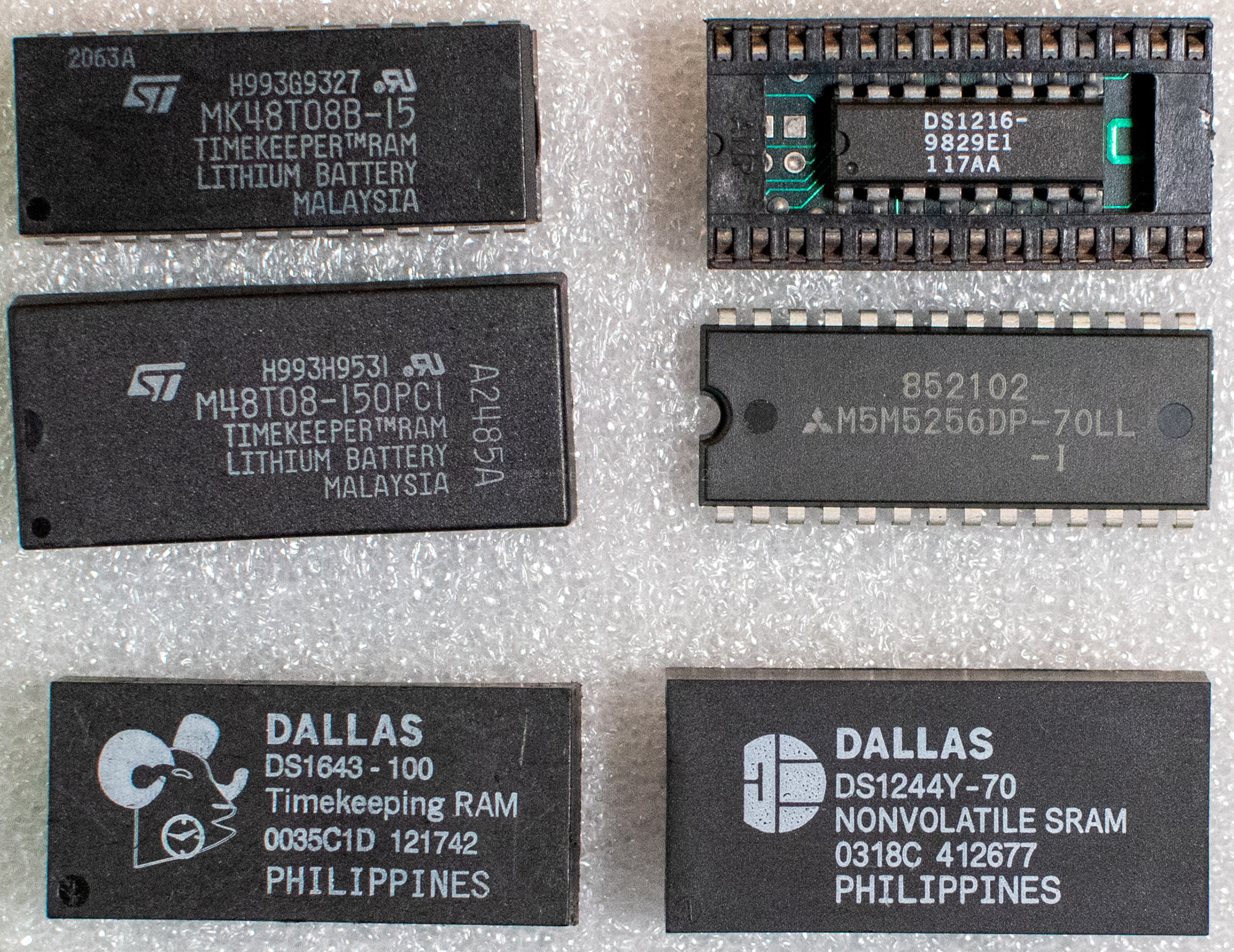
There are two main types of NVRAM+RTC solutions for Philips CD-i players to store user data and settings: 8 KB and 32 KB. They have a built-in battery that powers the non-volatile memory and the real-time clock. These two types are not compatible and thus cannot be replaced with each other (at least, not without hardware and/or ROM modifications).
There are other types, also 8 KB and 32 KB, but they concern only very few and rare devices. I point them out when necessary.

In this article, you’ll find information about the different NVRAM types and their alternatives. You’ll also find tips for repair and upgrades. If this looks familiar to you then you have probably read parts of it in my Modifications for Philips CD-i Players article before. Since the NVRAM section grew so large, I’ve completely rewritten it and will continue to update it in its own article.

Philips CD-i 8 and 32 KB NVRAM
Continue reading NVRAM+RTC Solutions for Philips CD-i Players

Philips CDI450 32 KB NVRAM Upgrade

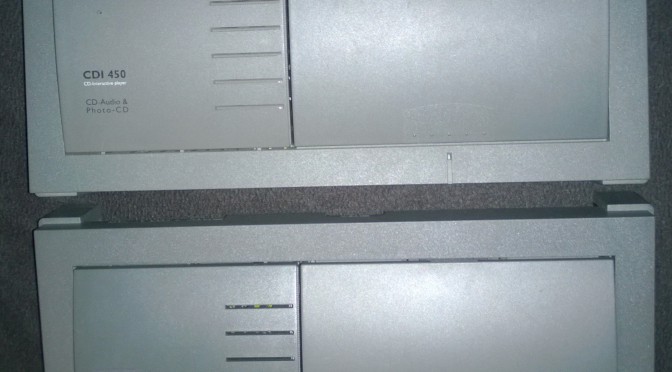
In this article, I’ll upgrade a Philips CDI450 with 32 KB NVRAM. You’ll find all information that is needed to modify the system ROM and the mainboard. If this sounds familiar – yes, it does: In 2019, I explored the possibility to upgrade a CDI470. Even though patching the system ROM failed back then, the experiment was still a success. The final solution to access 32 KB NVRAM was to use the ROM of a 490. As it turned out later, this was also Philips’ solution for the 470/85 model, but that is a topic for another article.

With the 450 (and all other top-loading players with Roboco mainboard) it is a bit different: It’s a low-cost model with 8 KB NVRAM only. The mainboard was neither prepared for a bigger NVRAM solution nor is there a similar advanced model that I could borrow the system ROM from. This time, a ROM patch must succeed.

Continue reading Philips CDI450 32 KB NVRAM Upgrade

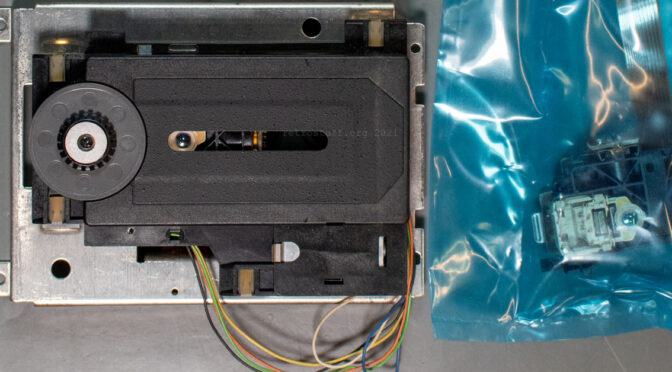
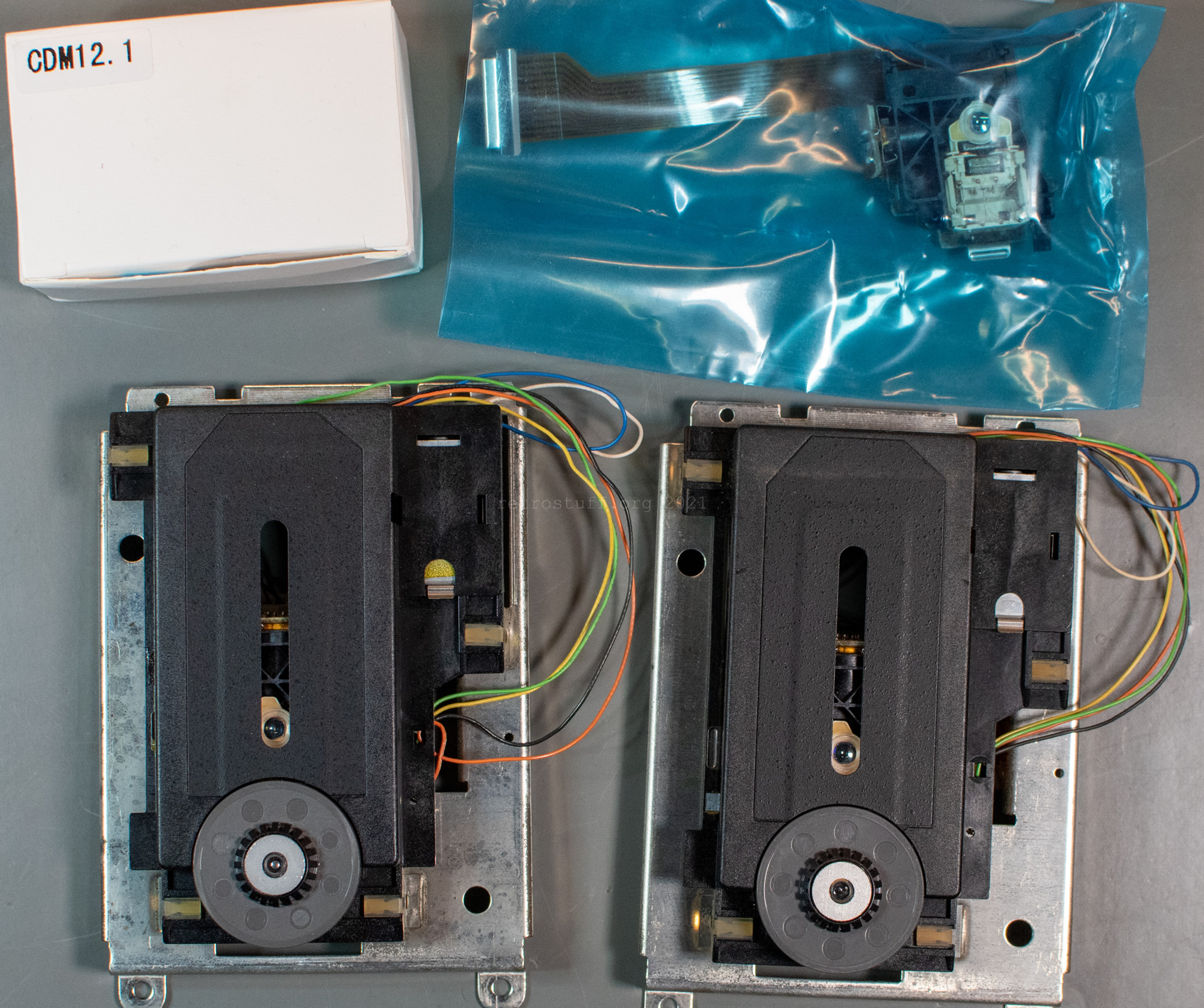
Philips CDM 12.1T Laser Sledge Replacement

This guide shows the replacement of the laser sledge in Philips CDM 12.1T CD mechanisms. It assumes that you have already cleaned the lens and done the necessary troubleshooting to rule out other errors (see this article for diagnosis with the Service Shell). If you only get dirty disc messages or experience stuttering audio/video from time to time, you can still follow the guide to clean and grease the mechanism.

For documentation, I replaced the laser sledges of two CDI450 players with unreliable or no disc recognition at all. I took different approaches to find the easiest replacement procedure, so don’t be surprised if you suddenly see pictures where things are in different places.

Philips CDM 12.1T laser sledge replacement
Continue reading Philips CDM 12.1T Laser Sledge Replacement

Back Up and Restore NVRAM Data With CD-i Link

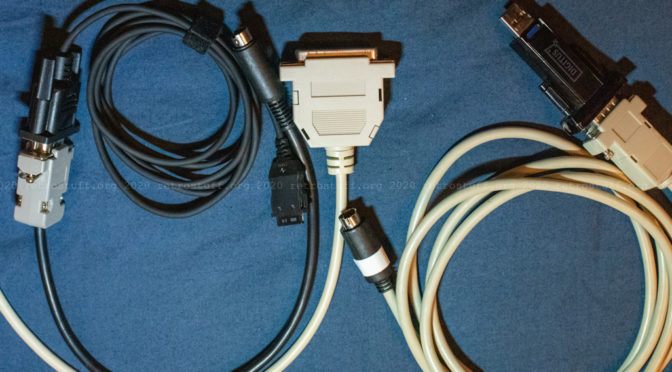
This article is a follow-up to my article from 2013 and explains how connect a Philips CD-i player to a modern Windows PC and how to back up and restore NVRAM data with CD-i Link. The other option CD-interlink is covered in this article.

Back then, I built a null-modem cable which I still use today. Over the years I’ve used it to connect all my CD-i players to PCs and portable devices for data transfer and debugging purposes. However, some models required additional adapters and/or different connectors.

Cables and setup

For most Philips CD-i players you will need to make a null-modem cable with Mini-DIN-8 and DE-9F connectors according to the CD-i Nullmodem Cable Specification found on this page. The Mini-DIN-8 connector goes into the back port of the player (usually labelled INPUT 2, RS-232 or SERIAL I/O).

Continue reading Back Up and Restore NVRAM Data With CD-i Link

Modifications for Philips CD-i Players

This is an attempt to collect all known and available modifications for Philips CD-i players in a single article. Consider it a work in progress – I will add new information from time to time. Please give feedback if you find an error or want to add something to this article.

Due to the plethora of different models, versions and revisions of CD-i players that have been sold under the Philips / Magnavox or entirely different brands (OEM), it is virtually impossible to create one big list that contains every player. I chose a different approach with several lists to cover most of the hardware combinations: Available modifications, mainboards, and video encoders.

Continue reading Modifications for Philips CD-i Players